Founder-led machinery development
Sharad N. Kale has worked across textile-machine mechanisms, yarn handling, sample development and special-purpose process platforms for approximately four decades.
 KALE TEXNIQUE PVT. LTD.Textile Machinery · Structural Preforms
Company continuity
Kale Texnique Pvt. Ltd. was incorporated in 2026. Its engineering foundation is Sharad Kale’s four decades of textile-machinery development and Kale Texnique’s operating experience since 2011.
Sharad N. Kale has worked across textile-machine mechanisms, yarn handling, sample development and special-purpose process platforms for approximately four decades.
Kale Texnique developed and supplied machinery while extending its work into technical textiles, polar weaving, multilayer weaving and needle felting.
The new legal entity brings the accumulated know-how, physical development work and collaborative ambition into a focused company structure.
Leadership

Textile-machinery developer with approximately four decades of experience. His work anchors the company's mechanism development, machine architecture and practical understanding of yarn control and textile formation.
.png)
Leads the company's present development, external collaboration and transition from specialist machinery work toward a structured textile-architecture and advanced-composites engineering platform.
Engineering identity
The company is neither a generic fabric catalogue nor a finished flight-component supplier. Its specialist value is the ability to connect machine motion, reinforcement direction and near-net geometry before a customer completes impregnation, testing and qualification.
Special-purpose mechanisms, yarn-control systems and process platforms built around the intended textile output.
2.5D needled, 3D orthogonal, 4D four-direction, 5D five-direction and polar reinforcement routes.
Non-confidential feasibility discussions followed by controlled technical work where geometry and intellectual property require protection.
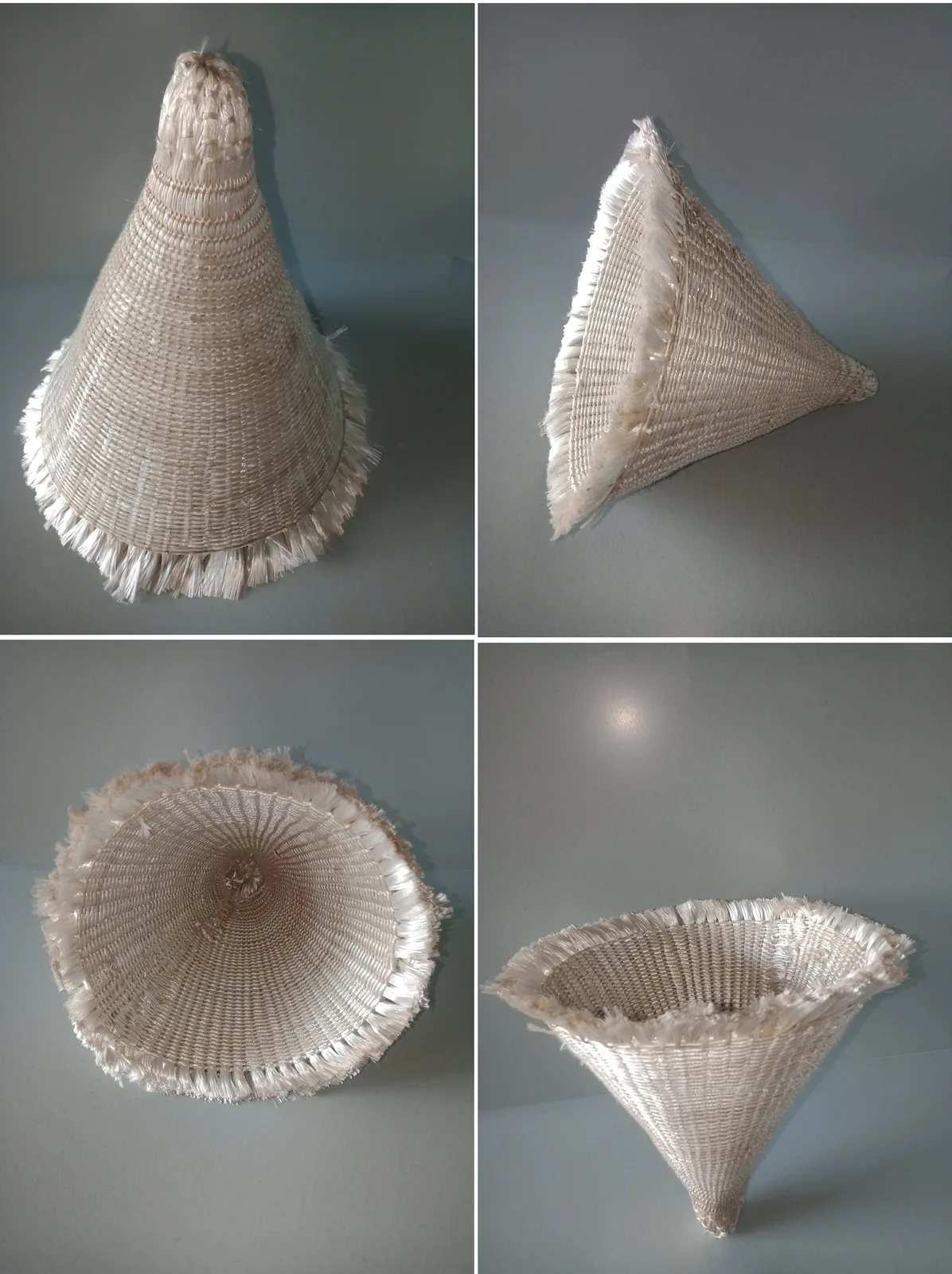
How we present the work
Physical machines, physical preforms, research architectures, rendered concepts and target applications are shown as different evidence classes. Composite performance is stated only when the relevant material, process, specimen and test context exists.
Review capabilities